
“Be the change that you want to see in the world.” Said Mohandas Gandhi. “Change is the end result of all true learning” said Leo Buscaglia. Everything changes. You are not the same person now as you were when you started reading this sentence. Something has changed. But what? How do we know when something has changed?
Change is a mysterious constant in our lives and it is happening right now. Change is both situational and continual: the new year, the new relationship, the new job, the new friends. “No man can cross the same river twice – Everything flows, nothing stands still” said Greek Philosopher Heraclitus (535-475 BC). In the 6th century BC in China, the philosopher Lao Tzu wrote “If you realise that all things change, there is nothing you will try to hold on to. If you are not afraid of dying, there is nothing you cannot achieve.”
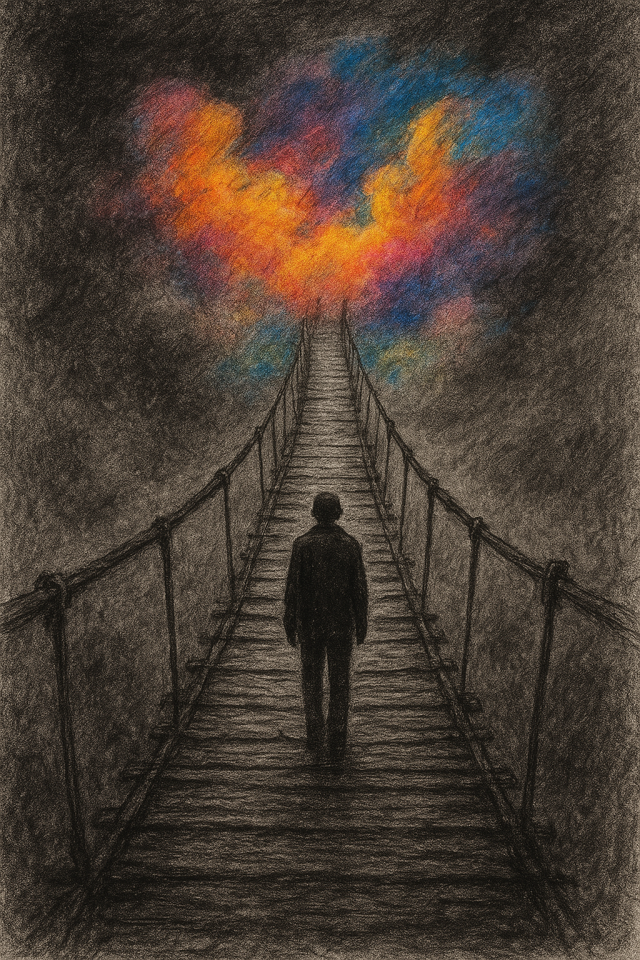
Change has many definitions that describe becoming different in essence or losing original nature. Change can be an event that occurs when something passes from one state or phase to another. It can also suggest cause to change; make different or to cause a transformation; “The coffee and sugar trade altered power balances in the world”. It can also mean make or become different in some particular way, without permanently losing former characteristics or essence; “her mood changes like the weather”. It could also mean switch: lay aside, abandon, or leave for another; “switch to a different brand of cola, cigarette or dish-washing liquid”. Change is also the result of alteration or modification and can also refer to the process of adjustment that people engage in coming to terms with a new situation.
Change can be thrust upon us or it can be something we choose. Our adjustment to the change, however, is internal and forms our emotional response in whether we choose to accept, adapt to, or resist the change. The psychological transition starts with an ending (the loss of an attachment to a job, a loved one etc.) and the realisation that things are not going to be the same. The loss of these attachments can be particularly traumatic because they impact all areas of life including identity, standard of living, relationship with family and the sense of self-worth and stability. In order for us to move forward and have some level of control over the outcome, we need to let go of the past, embrace the future and start exploring all our options and opportunities.
All things change, nothing is extinguished. There is nothing in the whole world which is permanent. Everything flows onward; all things are brought into being with a changing nature; the ages themselves glide by in constant movement. Ovid (BC43-18 AD)

Cultural attitudes to change vary and are expressed by religious and spiritual traditions in two main categories. The first says that Change happens randomly because the workings of the universe are essentially random and chaotic and thus suggests that there is no underlying meaning or purpose to life. The second view, emphasised in belief systems such as Hinduism and Buddhism, says change is cyclical and circumstances such as earthquakes, tsunamis, floods, famine, disease and hurricanes are expected to recur.
The mysterious and commonplace nature of change has been explored by many great minds throughout the ages. A classic Chinese text entitled Yijing or the Classic of Change describes an ancient system of cosmology and philosophy at the centre of Chinese cultural beliefs. The origins of the text are shrouded in mystery but its oral roots go back to at least 2800BCE. The philosophy centres on ideas such as how events evolve as a story of process (the story of the way things happen), the nature of opposites (male/female, yin/yang, dark/light, life/death) and offers a way we can accept and work with the inevitability of change. The text also describes a practical way of managing and engaging change traditionally based on divination using coins or yarrow stalks.
Having a clear definition and understanding of change is vitally important in both individual and organizational life as change is the single constant to which both you and your organisation are contunuously subjected.
Views: 46